
Before we go further in Britney's timeline, i wanted to take a break from my regular posting, and explore some reactions to Britney's whirlwind of fame. After exploring some of the criticism that Brit got from her risque media portrayal, she was almost assured she would get criticism, ans some wasn't constructive. In a magazine article in Popular Music and Society magazine Britney is not only questioned for her behavior, but is said to contribute to the changing feministic views of the youth today.
Melanie Lowe, the author of the article, is an assistant professor of musicology at Vanderbilt University. One of her research and teaching concentrate on music in the media. In “Colliding Feminisms: Britney Spears, “Tweens,” and the Politics of Reception,” Published by Popular Music and Society magazine, Melanie Lowe poses a question: how much is the media contributing to our post-feminist culture? In this article, Lowe conducts two focus groups made up of five to six “tweens,” or an advertising-industry term for those people between childhood and adolescence (127), and questions the groups on their opinions of the “pop queen” Britney Spears. First, Lowe examines the accounts of how girls and boys are treated differently in the world of “tweens,” and how women, like Britney, are making it seem like all women are “sluts.” Lowe noted that the focus group participants “complain about sexism, recognize the objectification of women’s bodies, and worry about the impact media images and messages might be having on younger girls.” Second, Lowe questions the correlation between the underlying theme in Spears’s songs, and what the “tweens” perceive the meaning to be. Lowe draws the conclusion that Spears’s songs can be innocent and provocative at the same time by explaining that “she (Spears) has had the ability to suggest or assume an alternative identity, manipulate men, and get what she wants: the top-selling pop album of 1999.” Finally, Lowe sparked discussion as she showed her focus group the 1999 Rolling Stones cover and the “…Hit me Baby One More Time” album cover, which had the focus study participants shouting angrily and hurtling all sorts of invective at Spears (137). Lowe explains the girls’ frustration was not rooted in the good girl/bad girl image but rather by the projection of two such opposite images concurrently; Lowe states: its fine to wear a mask, but please, wear only one at a time. Ultimately Lowe concludes their (the tweens) social practice of being teen pop’s target audience allows them to maintain strong feminist convictions and still enjoy songs, videos, and any other texts that don’t jibe with their politics (140). Lowe explains that there is a constant flex in today’s media influence, and feministic ideas. she explains there is no telling if today’s youth will succumb to the passivity and submission mainstream effects research argues they are taught by mass media. Lowe ends with a statement “Today’s girl is the women not yet determined.
Works Cited
Lowe, Melanie. “Colliding Feminisms: Britney Spears, “Tweens,” and the Politics of Reception.” Popular Music and Society, Vol. 26, No. 2, 2003: 123-40.
Works Cited
Lowe, Melanie. “Colliding Feminisms: Britney Spears, “Tweens,” and the Politics of Reception.” Popular Music and Society, Vol. 26, No. 2, 2003: 123-40.
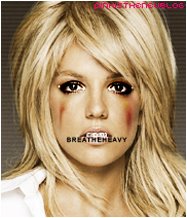
The cover that caused quite a stir:







4 comments:
Your summary was very successful! You did a great job condensing the article, giving a preview of the actual piece.
This was a great article and a great summary!
nice touch by ending your article with: Today’s girl is the women not yet determined.
I hope brit gets better some day...
Post a Comment